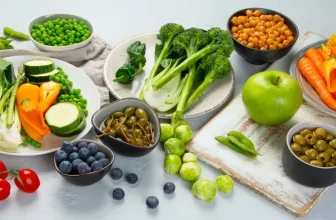
When it comes to crafting a sustainable meal plan, there are several key factors to consider that go beyond just what you put on your plate. By focusing on aspects like reducing food waste, supporting local farmers, and incorporating plant-based proteins, you can make a significant impact on both your health and the environment. But how do you actually go about implementing these practices in your daily meals? Stay tuned as we explore practical strategies and tips to help you build a meal plan that is not only sustainable but also delicious and nutritious.
Benefits of Sustainable Meal Planning
When planning meals sustainably, you can effectively reduce food waste and save money while supporting the environment. By being mindful of the ingredients you purchase and the portions you prepare, you can minimize the amount of food that goes uneaten and ultimately ends up in the trash. This not only helps in cutting down on your grocery expenses but also contributes to reducing methane emissions from food rotting in landfills.
Additionally, sustainable meal planning allows you to make more conscious choices about the types of products you buy. Opting for locally sourced and organic ingredients can help support small-scale farmers and reduce the carbon footprint associated with transporting food long distances. By selecting seasonal produce, you can enjoy fresher and tastier meals while promoting biodiversity and sustainable agricultural practices.
Moreover, planning your meals in advance enables you to streamline your grocery shopping, avoid impulse purchases, and make the most of the ingredients you already have on hand. This approach not only saves you time and money but also fosters a more sustainable lifestyle overall.
Choosing Seasonal and Local Produce
Opt for seasonal and locally sourced produce to enhance the freshness and sustainability of your meals. Choosing fruits and vegetables that are in season not only ensures that you’re getting the best flavor and nutritional value but also supports local farmers and reduces the environmental impact of your food choices.
Seasonal produce is more likely to be picked at its peak ripeness, making it tastier and more nutrient-dense. By purchasing local fruits and vegetables, you’re also cutting down on the carbon footprint associated with transporting food long distances. This helps reduce greenhouse gas emissions and supports your local economy.
When shopping for seasonal and local produce, visit farmers’ markets, join a community-supported agriculture (CSA) program, or look for labels indicating the origin of the food. Embrace the variety that each season brings, experiment with new recipes, and enjoy the benefits of fresh, sustainable ingredients in your meals.
Incorporating Plant-Based Proteins
Enhance the sustainability of your meal plan by incorporating plant-based proteins to diversify your diet and reduce your environmental impact. Plant-based proteins, such as beans, lentils, chickpeas, tofu, and quinoa, aren’t only rich in nutrients but also have a lower carbon footprint compared to animal-based proteins. Including a variety of plant-based proteins in your meals can help decrease the demand for animal products, which often have higher greenhouse gas emissions associated with their production.
Try substituting meat with beans or lentils in dishes like chili or tacos for a delicious and sustainable alternative. Tofu can be a versatile ingredient in stir-fries or salads, providing you with a good source of protein while being environmentally friendly. Quinoa, a complete protein source, can be used as a base for nourishing bowls or added to soups for an extra nutritional boost.
Minimizing Food Waste Strategies
To further improve the sustainability of your meal plan, consider implementing effective strategies to minimize food waste. Start by planning your meals ahead of time and creating a detailed shopping list to ensure you only buy what you need. This will help prevent impulse purchases and reduce the chances of food going to waste.
Another strategy is to store food properly to extend its freshness. Utilize airtight containers, resealable bags, and proper temperature settings in your fridge to keep fruits, vegetables, and leftovers fresh for longer periods. Additionally, consider freezing perishable items like meats, bread, and soups to preserve them for future use.
Get creative with your leftovers by incorporating them into new meals. For example, turn leftover vegetables into a delicious stir-fry or blend overripe fruits into smoothies. This not only reduces waste but also adds variety to your meals.
Lastly, be mindful of portion sizes to avoid cooking more than you can eat. By implementing these strategies, you can significantly cut down on food waste and contribute to a more sustainable meal plan.
Meal Prep Tips for Sustainability
For a more sustainable meal plan, consider incorporating efficient meal prep techniques. Start by planning your meals ahead of time and creating a detailed shopping list to avoid unnecessary purchases. When prepping ingredients, aim to utilize reusable containers to reduce plastic waste. Batch cooking is another great strategy – cook large portions and freeze individual servings for quick and easy meals later on.
To further sustainability, try to buy ingredients in bulk to minimize packaging waste. Utilize versatile ingredients that can be used in multiple dishes to avoid food waste. Additionally, consider composting food scraps to reduce landfill waste and create nutrient-rich soil for your garden.
When prepping meals, be mindful of portion sizes to avoid overeating and wasting food. Invest in quality kitchen tools that are durable and will last a long time to reduce the need for frequent replacements. Lastly, remember to store leftovers properly to maintain freshness and avoid spoilage, helping you make the most out of your sustainable meal prep efforts.
Diet & Sports Nutrition